Advanced Facial Treatment Training Philippines: A Guide
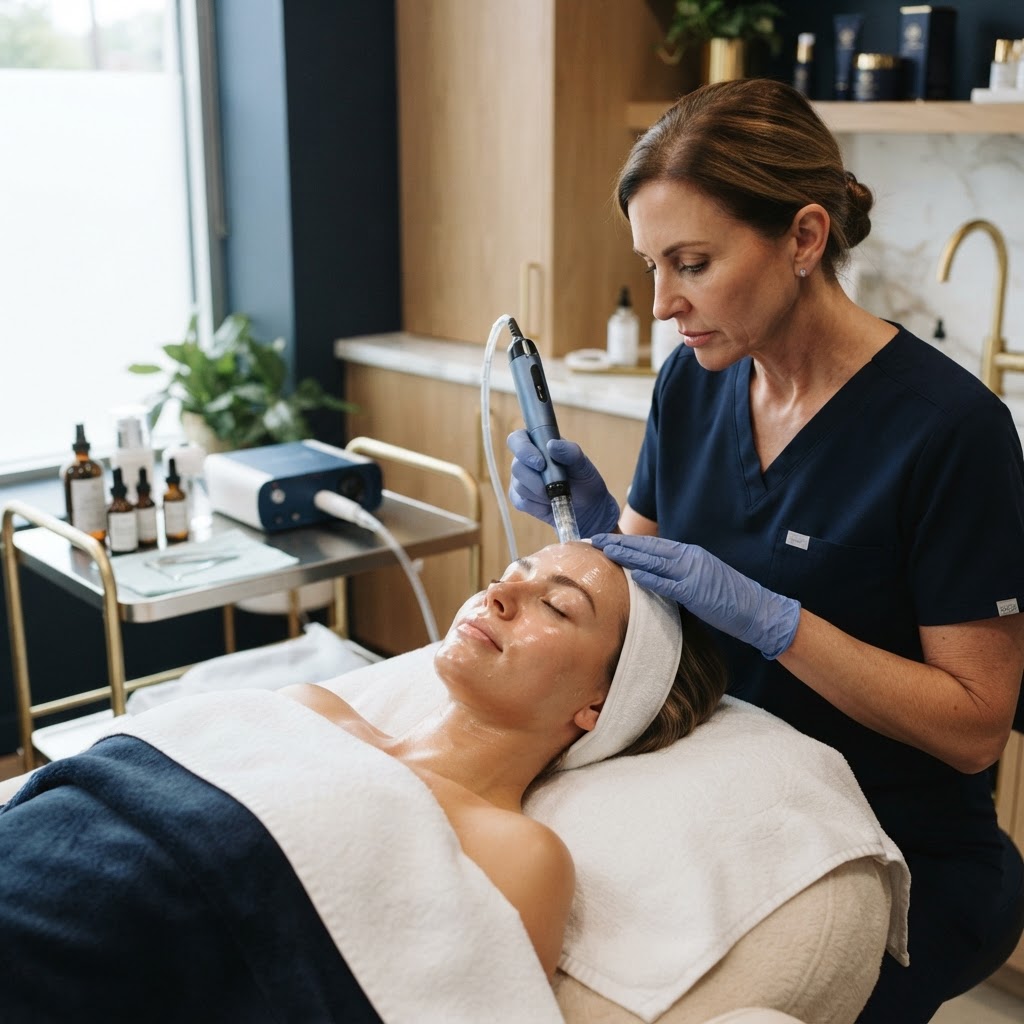
Master advanced skin rejuvenation with our guide on facial treatment training Philippines, covering HydraFacial, chemical peels, and microneedling protocols.
Choosing the right modality for skin rejuvenation requires a deep understanding of tissue interaction, patient safety, and clinical indications. For practitioners seeking comprehensive facial treatment training Philippines, mastering the nuances between HydraFacial, chemical peels, and microneedling is essential for delivering predictable, high-quality aesthetic outcomes. Whether addressing acne scarring or general skin laxity, the Academy of Advanced Aesthetics (AAA) provides the rigorous, physician-led education necessary to excel in this competitive field.
How do you choose between HydraFacial, peels, and microneedling?
Selecting the appropriate treatment depends on the patient's skin type, specific concerns, and desired downtime. According to research published on otsdermatology.com, HydraFacial is highly versatile, making it ideal for all skin types due to its gentle, non-invasive nature. In contrast, chemical peels offer a spectrum of intensity; superficial peels use mild acids for minor imperfections, while medium-depth peels using TCA address moderate wrinkles and uneven tone. Microneedling, meanwhile, is a powerful tool for collagen induction, particularly effective for scars and sagging, though it requires careful patient selection to avoid inflammation.
Are microneedling and chemical peels comparable for scarring?
For practitioners managing atrophic acne scars, both modalities are staples in the clinic. A systematic review published in PubMed.ncbi.nlm.nih.gov indicates that microneedling and chemical peels show no significant difference in clinical improvement for atrophic acne scarring. While both are effective, the choice often comes down to the patient's tolerance for specific side effects: microneedling is frequently associated with higher procedural pain, whereas chemical peels may cause burning sensations and visible exfoliation.
What are the safety protocols for facial treatments?
Safety is the cornerstone of aesthetic practice in the Philippines. Practitioners must adhere to strict standards, including:
- Pre-treatment Assessment: Always perform a thorough skin analysis to determine if the patient is a candidate for the chosen modality.
- Regulatory Compliance: Ensure all devices and chemical agents are registered with the FDA-PH to maintain legal and ethical standards.
- Infection Control: Maintain a sterile environment, especially when performing invasive procedures like microneedling.
- Post-Procedure Care: Educate patients on sun protection and the use of appropriate topicals to prevent hyperpigmentation, particularly in darker skin tones as noted by DermNet NZ.
Practitioner Checklist: Preparing for Your Next Session
- [ ] Verify the patient’s medical history and current skincare regimen (e.g., use of retinoids).
- [ ] Confirm the device or chemical concentration is appropriate for the patient's Fitzpatrick skin type.
- [ ] Obtain informed consent, clearly explaining potential downtime and expected results.
- [ ] Ensure emergency protocols and post-procedure kits are readily available.
As the aesthetic landscape in the Philippines evolves, staying updated through formal education is non-negotiable. Our 4-Day Integrated Aesthetics Masterclass is designed to bridge the gap between theory and practice, ensuring you are confident in your clinical decision-making. Whether you are looking to refine your technique or start your journey in facial treatment training Philippines, our curriculum is built to meet the highest standards of the industry.
We invite you to view our upcoming training batches and join a community of professionals dedicated to excellence. To learn more about our programs at 118 Matahimik St., Quezon City, please contact the Academy today to speak with our team.
Referenced in this article
- 1