
HIFU and Laser Training Philippines: A Clinic Safety Guide
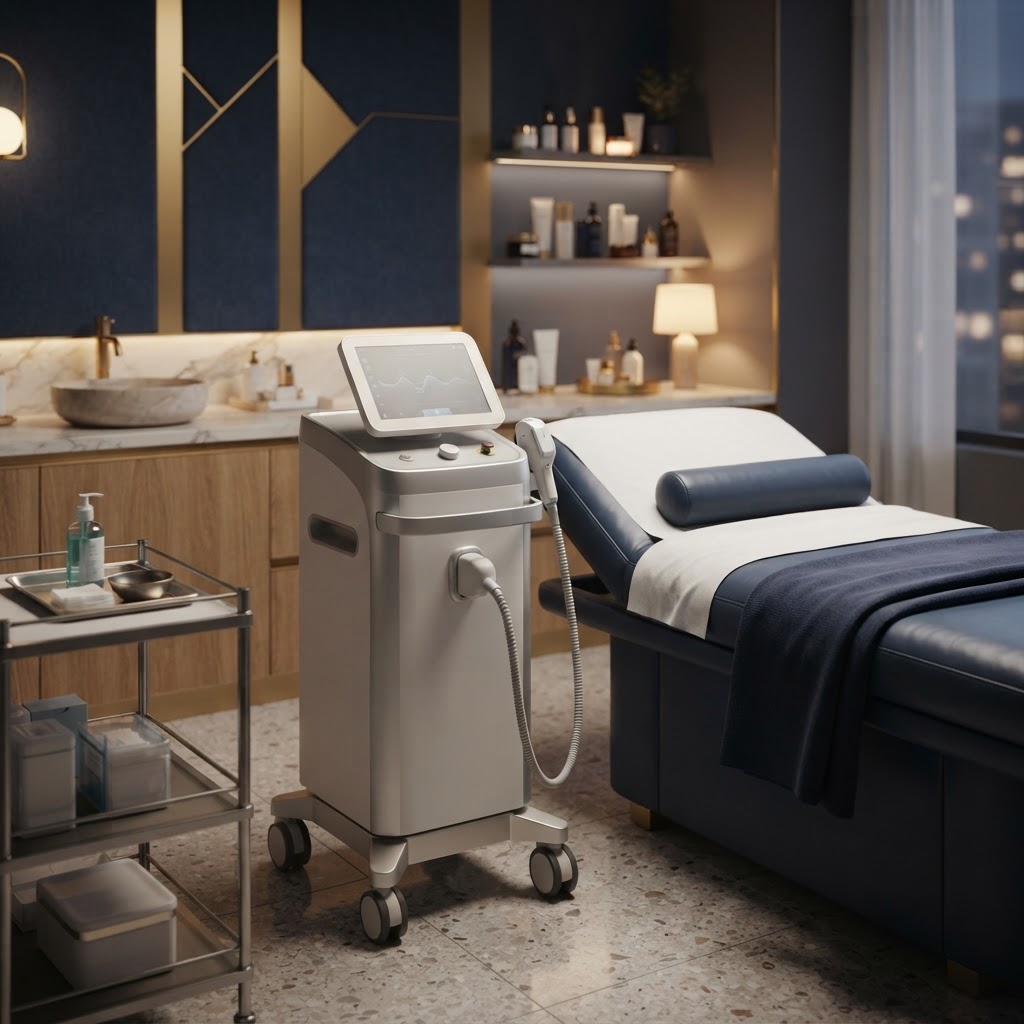
Master safe, compliant aesthetic practice with our guide to HIFU and laser training Philippines, covering regulatory standards and device safety protocols.
For practitioners seeking to elevate their clinic’s offerings, mastering device-based aesthetics is essential. High-Intensity Focused Ultrasound (HIFU) and laser systems require rigorous technical proficiency and a deep understanding of tissue interaction to ensure patient safety and clinical efficacy. According to research published in the Journal of Clinical and Aesthetic Dermatology, implementing standardized safety protocols and appointing a Laser Safety Officer (LSO) are critical steps for any facility utilizing Class 3B or Class 4 laser systems.
Why is specialized training vital for aesthetic clinics?
Device-based aesthetics—including HIFU, radiofrequency, and laser treatments—carry inherent risks if operated without proper oversight. As noted in a study from the National Center for Biotechnology Information, clinics that prioritize rigorous training and faculty-led supervision report significantly lower complication rates. In the Philippines, the regulatory landscape is stringent; the Food and Drug Administration (FDA Philippines) mandates that medical devices must be registered before they can be legally sold, distributed, or used.
When you invest in HIFU and laser training Philippines, you are not just learning to operate a machine; you are learning to navigate the complex intersection of physics, anatomy, and Philippine law. Our 4-Day Integrated Aesthetics Masterclass provides the foundational knowledge required to manage these high-tech tools safely.
How do you ensure regulatory compliance in the Philippines?
Operating an aesthetic clinic in the Philippines requires adherence to multiple regulatory bodies. The Department of Health (DOH) and the FDA Philippines oversee facility licensing and device registration, respectively. According to Respicio & Co., legal issues often arise when non-physicians perform procedures that cross into the practice of medicine.
To maintain compliance, clinic owners should:
- Verify that every device has a valid Certificate of Product Registration (CPR) from the FDA Philippines.
- Ensure that only licensed physicians perform or directly supervise invasive or energy-based procedures.
- Maintain updated clinical logs and incident reports as part of post-market surveillance.
- Regularly audit staff credentials against Professional Regulation Commission (PRC) standards.
Practitioner’s Checklist: Before You Buy or Operate
Before integrating a new device into your practice, use this checklist to mitigate risk:
- [ ] Device Verification: Does the manufacturer provide valid CE or FDA clearance documentation?
- [ ] Anatomical Mapping: Have you completed hands-on training that covers nerve locations and thermal injury thresholds?
- [ ] Safety Protocols: Is your facility equipped with appropriate eye protection and fire safety measures for Class 4 lasers?
- [ ] Informed Consent: Do your patient forms clearly outline the risks, expected outcomes, and contraindications?
- [ ] Emergency Plan: Is there a clear protocol for managing adverse events, such as burns or nerve irritation?
How to choose the right training program?
Not all training is created equal. Effective programs must move beyond basic "button-pushing" to cover the science of energy-based devices. Whether you are looking at upcoming training batches or seeking a comprehensive curriculum, ensure the program includes simulation training and competency assessments. As highlighted by Huimain Beauty, standardized treatment parameters are the most effective way to reduce complications in HIFU and laser applications.
At the Academy of Advanced Aesthetics, we bridge the gap between theoretical knowledge and clinical application. Under the guidance of Training Director Dr. Rachel V. Pingol-Maderazo, our curriculum is designed to meet the high standards required for modern aesthetic practice in Quezon City. If you are ready to refine your skills and protect your practice, contact the Academy today to discuss your professional development path.
Referenced in this article
- 1