Botox and Filler Training for Doctors Philippines: A Guide
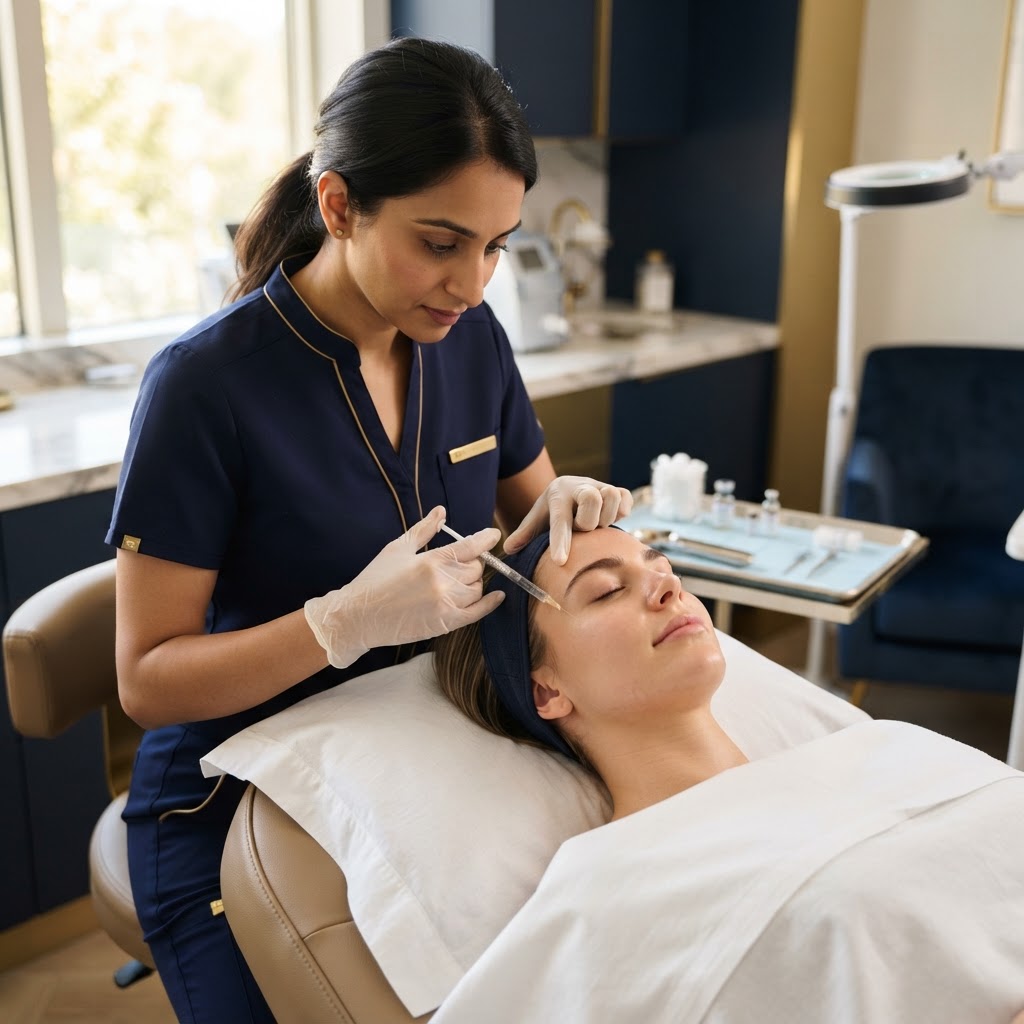
Master safe injection practices and regulatory standards with our expert-led botox and filler training for doctors Philippines at AAA.
For medical professionals seeking to enter the aesthetic field, high-quality botox and filler training for doctors Philippines is the essential foundation for patient safety and clinical success. As aesthetic medicine continues to evolve, physicians must prioritize comprehensive education that bridges the gap between anatomical knowledge and precise injection technique. At the Academy of Advanced Aesthetics (AAA), we emphasize that aesthetic procedures are medical interventions requiring rigorous training, not merely cosmetic services. According to the Manila Bulletin, Philippine regulatory bodies, including the Department of Health (DOH) and the Professional Regulation Commission (PRC), are increasingly scrutinizing clinics to ensure that all procedures are performed by licensed physicians under strict medical standards. Understanding these requirements is the first step in building a reputable practice. Why is hands-on training critical for aesthetic practitioners? While didactic learning provides the necessary theoretical framework, hands-on experience is non-negotiable. As noted by the National Laser Institute, dermal fillers require a unique aesthetic eye that can only be developed through supervised practice. Practitioners must move beyond watching experts to actively performing injections under guidance to master depth, product placement, and complication management. What are the core components of a professional aesthetic curriculum? A robust program should cover: * Facial anatomy and danger zones (e.g., avoiding the infraorbital artery). * Product rheology and selection (e.g., HA vs. CaHA fillers). * Neuromodulator dilution and dosing protocols. * Management of vascular complications and use of hyaluronidase. * Patient assessment and aesthetic treatment planning. How do I ensure compliance with Philippine regulations? To practice safely and legally in the Philippines, physicians must adhere to the Medical Act of 1959 and relevant DOH guidelines. It is vital to verify that your clinic operates with proper medical supervision and that all products used are FDA-PH approved. Practitioners should regularly consult the PRC for updates on professional standards. Checklist for the Aspiring Aesthetic Physician: [ ] Verify your current PRC license status and good standing. [ ] Enroll in a 4-Day Integrated Aesthetics Masterclass to gain foundational and advanced skills. [ ] Ensure all aesthetic products in your clinic are registered with the FDA-PH. [ ] Establish a protocol for emergency management, including the availability of reversal agents. [ ] Document all patient assessments and informed consent forms meticulously. By choosing a botox and filler training for doctors Philippines program that prioritizes clinical safety and evidence-based practice, you protect your patients and your professional reputation. Whether you are a beginner or looking to refine your technique, our upcoming training batches provide the intensive, physician-led environment necessary to excel. Ready to elevate your practice? Contact the Academy today to speak with our team in Quezon City and begin your journey toward becoming a certified aesthetic expert.