Glutathione IV Drip Training Philippines: A Clinical Guide
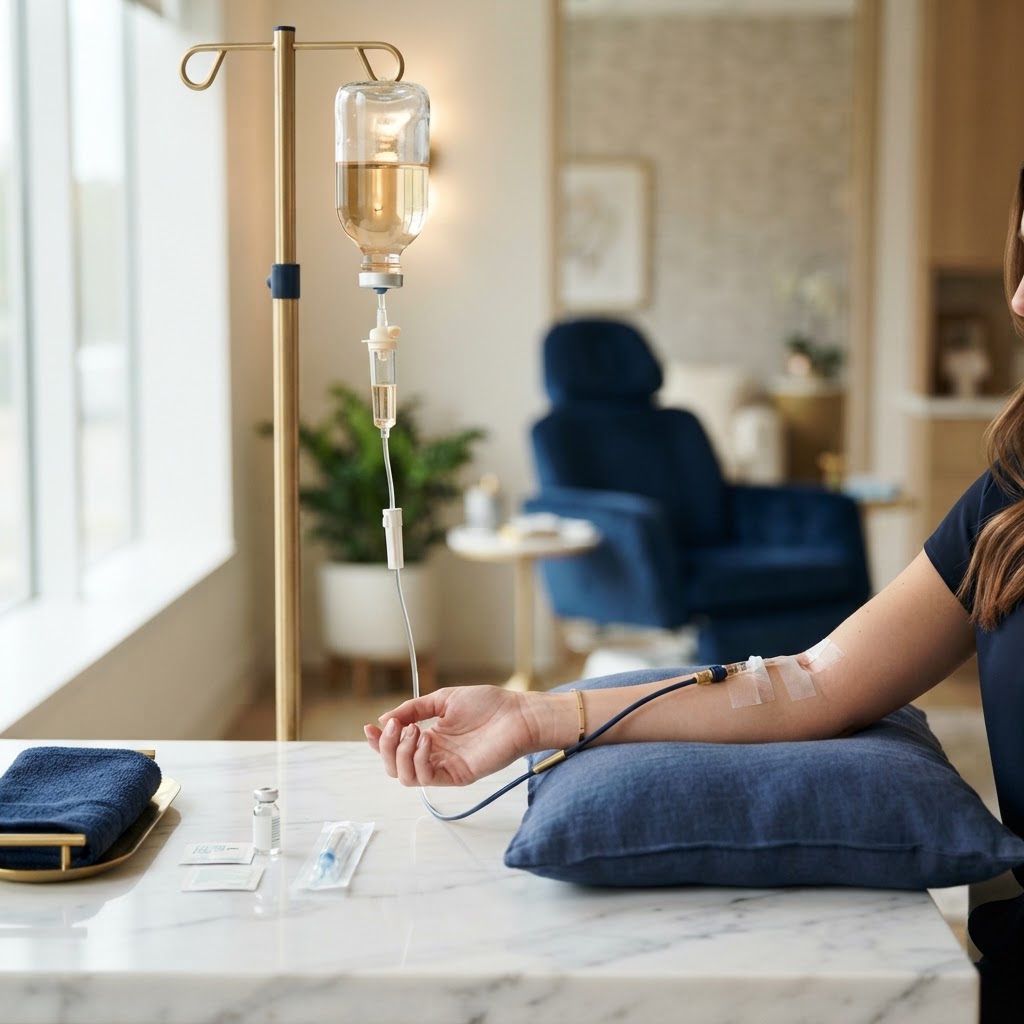
Learn the clinical realities of glutathione IV drip training in the Philippines, focusing on patient safety, regulatory compliance, and professional standards.
Are you a medical professional seeking to understand the clinical landscape of glutathione IV drip training in the Philippines? While injectable glutathione is FDA-approved solely as an adjunct in cisplatin chemotherapy, physicians often navigate the complexities of off-label use, making rigorous, evidence-based training essential for patient safety and professional integrity. At the Academy of Advanced Aesthetics (AAA), we emphasize that clinical competence begins with understanding the regulatory boundaries and the physiological risks associated with intravenous administration.
What is the regulatory status of glutathione in the Philippines?
According to the Philippine FDA, there are currently no injectable glutathione products approved for skin lightening or cosmetic enhancement. The Department of Health (DOH) has consistently cautioned that there are no published clinical trials establishing safe dosing regimens or long-term safety data for such applications. However, as noted by the DOH, once a drug is approved for entry into the Philippine market, licensed physicians—authorized by the Professional Regulation Commission (PRC)—maintain the autonomy to prescribe medications for off-label use. This professional discretion carries significant responsibility, requiring practitioners to prioritize patient screening and informed consent above all else.
What are the primary safety risks for patients?
Practitioners must be acutely aware of the potential adverse effects associated with improper administration. The Philippine FDA has warned that misuse of injectable glutathione can lead to toxic effects on the liver, kidneys, and nervous system. Furthermore, the use of unregulated products sourced from non-pharmaceutical compounding facilities introduces risks of sepsis, allergic reactions, and the transmission of infectious agents.
Common clinical concerns include:
- Potential for anaphylaxis or severe allergic reactions.
- Risk of liver injury or renal impairment with high-dose, frequent administration.
- Complications arising from non-sterile, non-medical environments.
- Theoretical concerns regarding long-term melanin suppression and skin health.
How can practitioners ensure safe clinical practice?
To maintain high standards of care, practitioners must move beyond basic infusion techniques and focus on comprehensive patient assessment. Whether you are exploring glutathione IV drip training Philippines or looking to refine your practice, safety must be the foundation of your clinic's operations.
Practitioner Safety Checklist
- [ ] Verify the registration status of all injectable products with the Philippine FDA.
- [ ] Conduct a thorough medical history review to rule out contraindications (e.g., renal or hepatic impairment).
- [ ] Ensure all procedures are performed in a sterile, clinical environment by licensed medical personnel.
- [ ] Document informed consent, explicitly detailing the off-label nature of the treatment and potential risks.
- [ ] Monitor patients for immediate side effects such as dizziness, headache, or signs of allergic reaction.
Why choose professional training at AAA?
At the Academy of Advanced Aesthetics, we believe that aesthetic medicine requires the same rigor as any other medical specialty. Our 4-Day Integrated Aesthetics Masterclass provides a comprehensive look at the science of aesthetics, ensuring that our graduates are equipped to handle complex clinical scenarios with confidence. We invite you to review our upcoming training batches to see how we integrate safety, ethics, and advanced technique into our curriculum. If you have questions about our standards or wish to discuss your professional development, please contact the Academy in Quezon City to speak with our team. Under the guidance of our Training Director, Dr. Rachel V. Pingol-Maderazo, we are committed to elevating the standard of aesthetic practice in the Philippines.
Referenced in this article
- 1