Glutathione IV Drip Training Philippines: A Clinical Guide
Learn the clinical realities of glutathione IV drip training in the Philippines, focusing on patient safety, regulatory compliance, and professional standards.
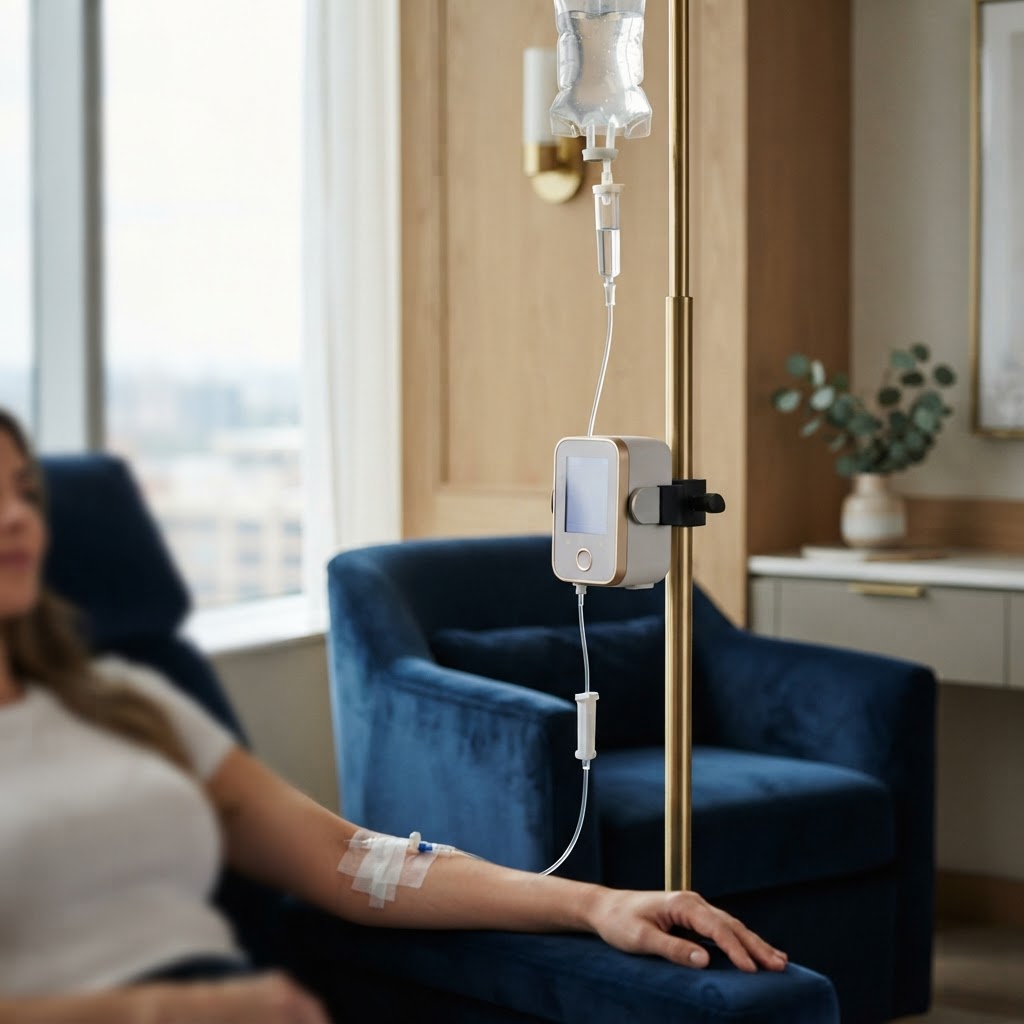
Intravenous glutathione administration is a complex medical procedure that requires rigorous clinical oversight, as the Philippine Food and Drug Administration (FDA) has not approved any injectable glutathione products for skin lightening. While physicians are authorized by their Professional Regulation Commission (PRC) license to practice medicine, they must adhere to strict safety protocols, as there are no established clinical guidelines for dosing or treatment duration for aesthetic purposes. Practitioners seeking glutathione IV drip training Philippines must prioritize patient safety and evidence-based practice above all else.
Is Glutathione IV Drip FDA Approved in the Philippines?
According to the Department of Health (DOH) and the FDA Philippines, injectable glutathione is only approved as an adjunct treatment for cisplatin chemotherapy. The FDA has explicitly warned that there are no published clinical trials evaluating the use of injectable glutathione for skin lightening. Because the FDA has not registered these products for aesthetic indications, the responsibility for patient safety rests entirely on the prescribing physician. As noted by the DOH, while they cannot regulate the specific practice of doctors, the lack of regulatory approval means that any aesthetic use is considered off-label and carries significant risks, including potential kidney damage and severe allergic reactions like anaphylactic shock.
What Are the Risks of Improper IV Drip Protocols?
Improper administration of IV drips can lead to life-threatening complications. The FDA has highlighted concerns regarding the use of dietary-grade ingredients in compounded injectables, which can cause adverse events. Practitioners must be aware of the following risks:
- Anaphylactic shock: A severe, life-threatening allergic reaction.
- Renal toxicity: Potential damage to the kidneys due to high-dose or improper administration.
- Infection: Risks associated with non-sterile compounding or improper IV insertion techniques.
- Systemic complications: Adverse reactions from combining multiple additives without clinical justification.
How Can Practitioners Ensure Patient Safety?
For physicians and nurses operating in aesthetic clinics, safety is the primary metric of success. Before performing any IV therapy, practitioners must conduct a thorough medical history review.
Practitioner Safety Checklist
- [ ] Verify the source of the glutathione; ensure it is pharmaceutical-grade and not dietary-grade.
- [ ] Screen patients for pre-existing kidney conditions or history of severe allergies.
- [ ] Maintain emergency equipment, including epinephrine and oxygen, for immediate management of anaphylaxis.
- [ ] Document the exact dosage, infusion rate, and patient response in the medical record.
- [ ] Educate the patient on the lack of FDA approval for skin lightening and the potential risks involved.
Why Professional Training Matters
At the Academy of Advanced Aesthetics (AAA) in Quezon City, we emphasize that aesthetic medicine is a serious clinical discipline. Our 4-Day Integrated Aesthetics Masterclass provides the foundational knowledge required to navigate the complexities of modern aesthetic practice. We believe that by understanding the pharmacology and the regulatory landscape, practitioners can better protect their patients and their professional reputation. Whether you are looking for upcoming training batches or need to contact the Academy for a consultation, our physician-led team is here to guide you through the highest standards of care.
By choosing to train with experts, you ensure that your clinic operates with the highest level of clinical integrity, moving beyond trends to focus on patient safety and evidence-based outcomes.
Referenced in this article
- 1
- 2