Botox and Filler Training for Doctors Philippines: A Guide
Master safe injection techniques with our guide to botox and filler training for doctors Philippines, covering PRC requirements and clinical safety.
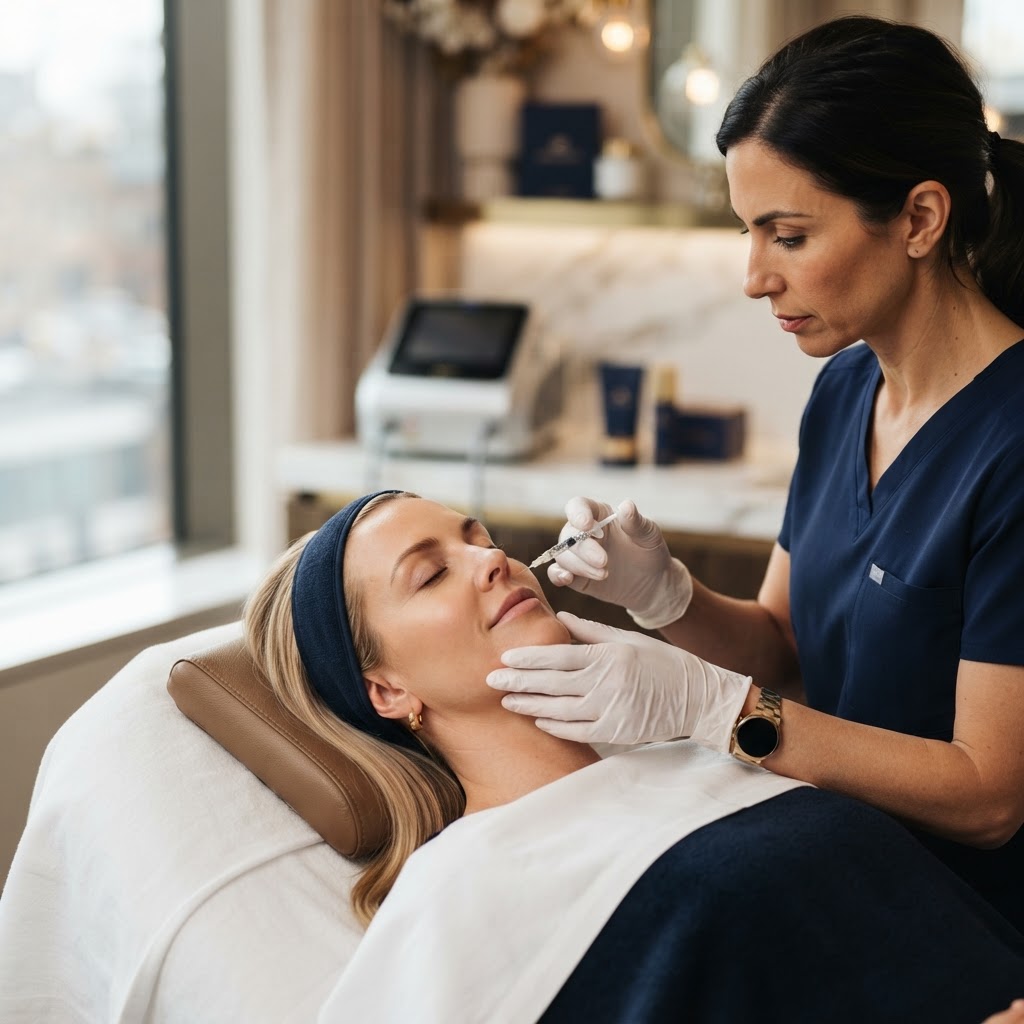
Physicians seeking to enter the field of medical aesthetics must prioritize hands-on, supervised clinical instruction to ensure patient safety and procedural excellence. Comprehensive botox and filler training for doctors Philippines is essential for mastering facial anatomy, understanding product rheology, and developing the tactile confidence required to manage complications effectively. By choosing a reputable, physician-led academy, practitioners gain the foundational skills necessary to perform non-surgical facial rejuvenation with precision and ethical rigor.
Why is specialized training critical for aesthetic physicians?
According to the Aesthetic Academy Asia, it is imperative for any practitioner to undergo rigorous, structured training in facial aesthetics to fully comprehend the nuances of the procedure, the specific product being used, and the unique needs of the patient. Aesthetic medicine is not merely about injection technique; it is about understanding the complex interplay of facial musculature and soft tissue. As noted by the American Academy of Procedural Medicine (AAOPM), practical, supervised training with live models is what distinguishes high-quality education from lecture-only programs, as it allows doctors to develop the necessary tactile confidence for complex procedures.
What are the PRC and FDA-PH regulatory requirements?
In the Philippines, the practice of medicine is strictly regulated by the Professional Regulation Commission (PRC). Physicians must maintain an active, good-standing license to practice. Furthermore, when incorporating aesthetic products into a clinic, it is vital to ensure that all botulinum toxin and dermal filler brands are registered with the Philippine Food and Drug Administration (FDA-PH). Using unregistered or "grey market" products poses significant legal and health risks to both the practitioner and the patient. Always verify the Certificate of Product Registration (CPR) for every injectable used in your practice.
What should a comprehensive training program include?
When evaluating a 4-Day Integrated Aesthetics Masterclass, look for a curriculum that balances theoretical knowledge with intensive hands-on practice. A robust program should cover:
- Facial Anatomy and Physiology: Deep dives into danger zones and vascular mapping.
- Product Science: Understanding the differences between various brands of botulinum toxin and the G-prime of different dermal fillers.
- Patient Assessment: Developing an eye for facial harmony and managing patient expectations.
- Complication Management: Protocols for handling vascular occlusions, infections, or adverse reactions.
Practitioner Safety Checklist: Act Today
Before performing your next aesthetic procedure, ensure you have completed the following steps to maintain the highest standards of care:
- [ ] Verify that your clinic's injectable products are FDA-PH approved.
- [ ] Maintain updated emergency protocols and have a reversal agent (e.g., hyaluronidase) readily available.
- [ ] Document detailed patient history, including previous aesthetic treatments and allergies.
- [ ] Conduct a thorough pre-procedure consultation to discuss risks, benefits, and realistic outcomes.
- [ ] Ensure your informed consent forms are comprehensive and signed by the patient.
How to advance your career in aesthetics
For those ready to elevate their practice, the Academy of Advanced Aesthetics (AAA) offers a structured pathway for professional growth. Whether you are a beginner or looking to refine your advanced techniques, our upcoming training batches provide the mentorship and clinical exposure needed to succeed in the competitive Philippine market. We emphasize evidence-based practice and safety-first protocols, ensuring our graduates are prepared for the realities of modern aesthetic medicine. If you have questions about our curriculum or clinical requirements, please contact the Academy to speak with our team in Quezon City.
Join us at 118 Matahimik St., Quezon City, and learn from the best in the industry under the guidance of our Training Director, Dr. Rachel V. Pingol-Maderazo, MD, FPPAI, FPFCS.