Mastering Facial Treatment Training Philippines: A Guide
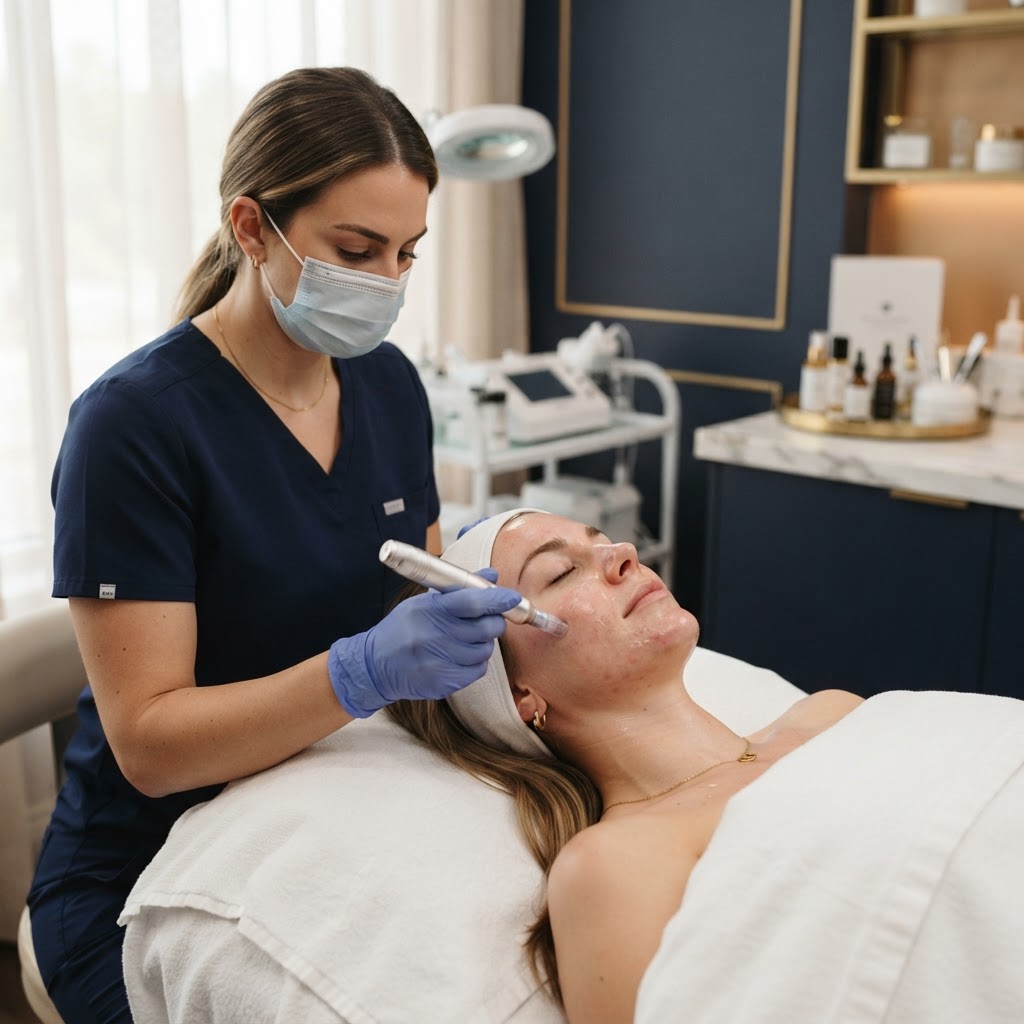
Elevate your practice with expert facial treatment training in the Philippines, covering HydraFacial, chemical peels, and microneedling protocols.
Advanced facial and skin rejuvenation techniques—specifically HydraFacial, chemical peels, and microneedling—are essential tools for any modern aesthetic clinic. Choosing the right modality depends on a patient’s specific skin concerns, Fitzpatrick skin type, and desired downtime, requiring a deep understanding of both the biological mechanism of action and clinical safety protocols. According to research published in PubMed, both microneedling and chemical peels are highly effective for atrophic acne scarring, though their comparative safety and efficacy profiles must be carefully managed by trained professionals. In the Philippines, practitioners must ensure all devices and chemical solutions comply with FDA-PH regulations to maintain patient safety and legal compliance. For those seeking comprehensive facial treatment training Philippines, the Academy of Advanced Aesthetics (AAA) provides the rigorous, physician-led instruction necessary to master these high-demand procedures. ## How do you choose between HydraFacial, peels, and microneedling? Selecting the correct treatment requires a thorough skin analysis. As noted by Otsdermatology, HydraFacial is generally considered a gentle, multi-step treatment suitable for all skin types, focusing on hydration and pore cleansing. In contrast, chemical peels involve controlled exfoliation using acids like glycolic, salicylic, or TCA to address deeper texture issues, while microneedling utilizes mechanical stimulation to trigger collagen production. ### When to use HydraFacial? Ideal for patients seeking immediate radiance with zero downtime, HydraFacial uses a vortex-fusion delivery system to cleanse, exfoliate, and hydrate. It is the gold standard for 'lunchtime' aesthetic procedures. ### When to use Chemical Peels? Chemical peels are highly versatile. Superficial peels are excellent for mild hyperpigmentation and dullness, while medium-depth peels (like TCA) are reserved for moderate wrinkles and acne scarring. Practitioners must be adept at selecting the right acid concentration to avoid post-inflammatory hyperpigmentation, a common concern in the Philippine climate. ### When to use Microneedling? Microneedling is the preferred choice for structural skin concerns, including deep acne scars and skin laxity. It is highly effective but requires strict adherence to sterile technique to prevent infection. ## Practitioner Checklist for Clinical Safety Before performing any advanced facial treatment, ensure you have completed the following: * Conduct a comprehensive skin analysis to identify contraindications (e.g., active acne, rosacea, or infection). * Verify that all chemical solutions and devices are registered with the FDA-PH. * Document the patient’s Fitzpatrick skin type to predict potential healing responses. * Obtain informed consent, detailing expected downtime and post-procedure care. * Ensure your clinic is equipped with proper sterilization protocols for all reusable tips and tools. ## Why choose physician-led training? The aesthetics industry in the Philippines is evolving rapidly. Whether you are looking for a 4-Day Integrated Aesthetics Masterclass or specialized workshops, learning from experienced mentors like Dr. Rachel V. Pingol-Maderazo ensures you understand the nuances of patient safety that online-only courses often miss. Our upcoming training batches are designed to bridge the gap between basic skincare and advanced medical aesthetics. If you are ready to advance your career, contact the Academy today to discuss your professional goals at our Quezon City facility.
Referenced in this article
- 1