
HIFU and Laser Training Philippines: A Clinic Safety Guide
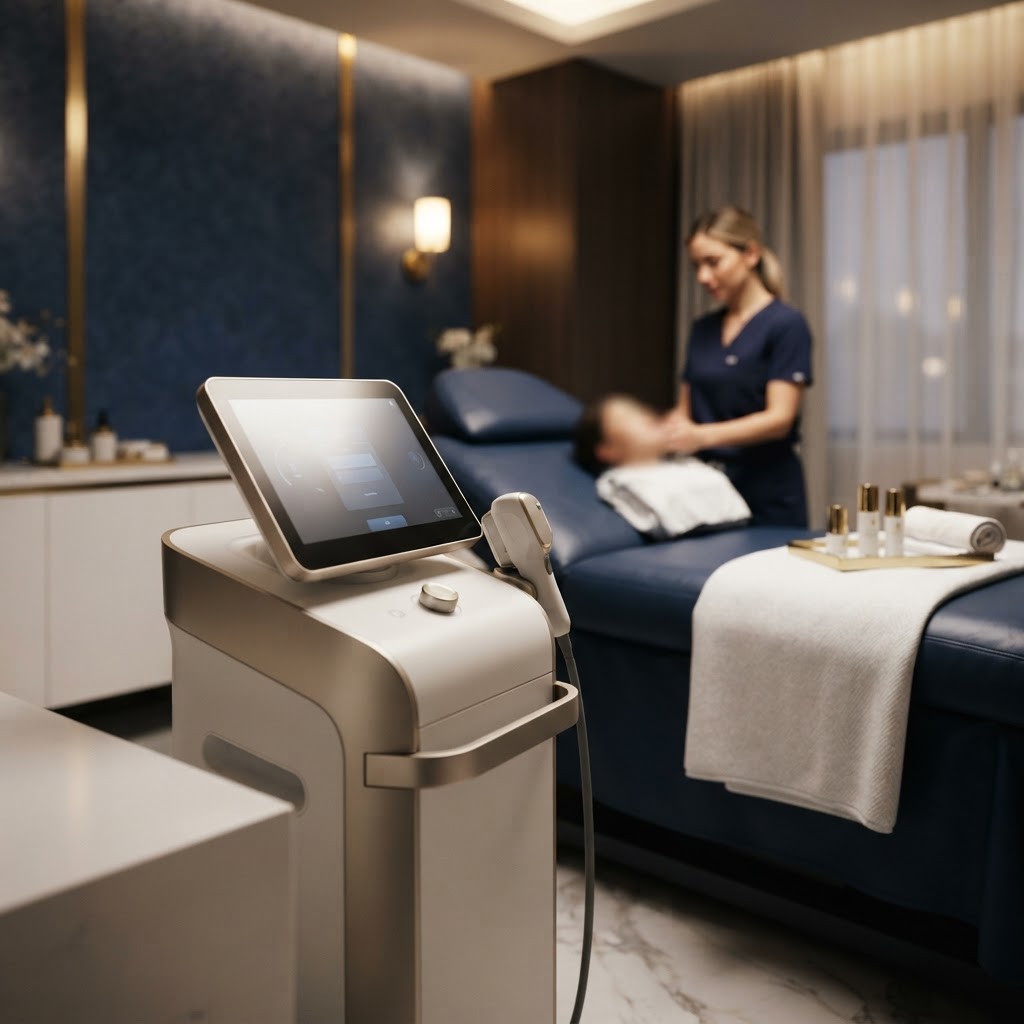
Master device-based aesthetics with our guide on HIFU and laser training Philippines, covering safety, FDA-PH compliance, and smart equipment investment.
Investing in high-end aesthetic technology is a significant milestone for any clinic, but success depends on more than just the hardware. Proper HIFU and laser training Philippines is the foundation of patient safety, regulatory compliance, and long-term clinic profitability. As the Academy of Advanced Aesthetics (AAA), we emphasize that clinical excellence is non-negotiable when operating energy-based devices.
Why is specialized training essential for device-based aesthetics?
Energy-based devices, including High-Intensity Focused Ultrasound (HIFU), radiofrequency (RF), and various laser platforms, carry inherent risks if operated without deep anatomical knowledge. According to the US FDA, aesthetic devices can impact the structure or function of the body, meaning improper use can lead to burns, scarring, or nerve damage. Our 4-Day Integrated Aesthetics Masterclass ensures that practitioners understand the physics of light and sound energy, tissue interaction, and the specific "danger zones" of the face and body.
What are the regulatory requirements in the Philippines?
Navigating the Philippine regulatory landscape is critical for clinic owners. The Food and Drug Administration (FDA) of the Philippines, through the Center for Device Regulation, Radiation Health and Research (CDRRHR), mandates strict oversight of medical equipment.
Key regulatory pillars include:
- License to Operate (LTO): Any establishment selling or using medical devices must secure an LTO from the FDA-PH.
- Product Registration: Devices must have a Certificate of Medical Device Notification (CMDN) or Registration (CMDR) to be legally used in a clinical setting.
- Post-Market Surveillance: The FDA-PH monitors the safety and efficacy of devices even after they are deployed in clinics.
As noted by the FDA-PH, the agency has been streamlining processes through the eServices portal to ensure that all medical device establishments comply with the ASEAN Harmonized Technical Requirements. Failure to use registered, authentic equipment not only risks your license but also exposes your patients to substandard, potentially dangerous technology.
How to choose the right aesthetic equipment for your clinic?
Before purchasing, conduct a "due diligence" audit. Avoid "gray market" devices that lack proper FDA-PH authorization.
Practitioner Checklist for Device Procurement:
- [ ] Verify the supplier’s LTO and the device’s Certificate of Medical Device Notification (CMDN).
- [ ] Request clinical trial data or peer-reviewed studies supporting the device’s efficacy.
- [ ] Ensure the manufacturer provides comprehensive on-site training for your staff.
- [ ] Confirm the availability of local technical support and spare parts in the Philippines.
- [ ] Check the device’s warranty and software update policy.
How do I start my journey in aesthetic medicine?
Whether you are a physician looking to expand your service menu or a clinic owner upgrading your facility, the path to success is paved with continuous education. Our HIFU and laser training Philippines curriculum is designed to bridge the gap between theoretical knowledge and hands-on clinical application. We focus on patient selection, pre-procedure assessment, and emergency management protocols to ensure you are prepared for any clinical scenario.
We invite you to view our upcoming training batches at our Quezon City facility. If you have specific questions about our modules or need guidance on integrating new technology into your practice, please contact the Academy today. Let us help you elevate your practice to the highest standards of safety and efficacy.
Referenced in this article
- 1
- 2
- 3