Botox & Filler Training for Doctors Philippines: PRC & Safety
Essential botox and filler training for doctors Philippines: covering PRC licensing, FDA regulations, and safe injection practices.
Botox and filler training for doctors Philippines provides the essential clinical foundation for physicians to perform minimally invasive facial rejuvenation safely and effectively. To practice aesthetic medicine in the Philippines, doctors must adhere to strict ethical guidelines, ensure all products are approved by the Philippine Food and Drug Administration (FDA), and maintain active, good standing with the Professional Regulation Commission (PRC).
What are the core fundamentals of Botox and dermal filler practice?
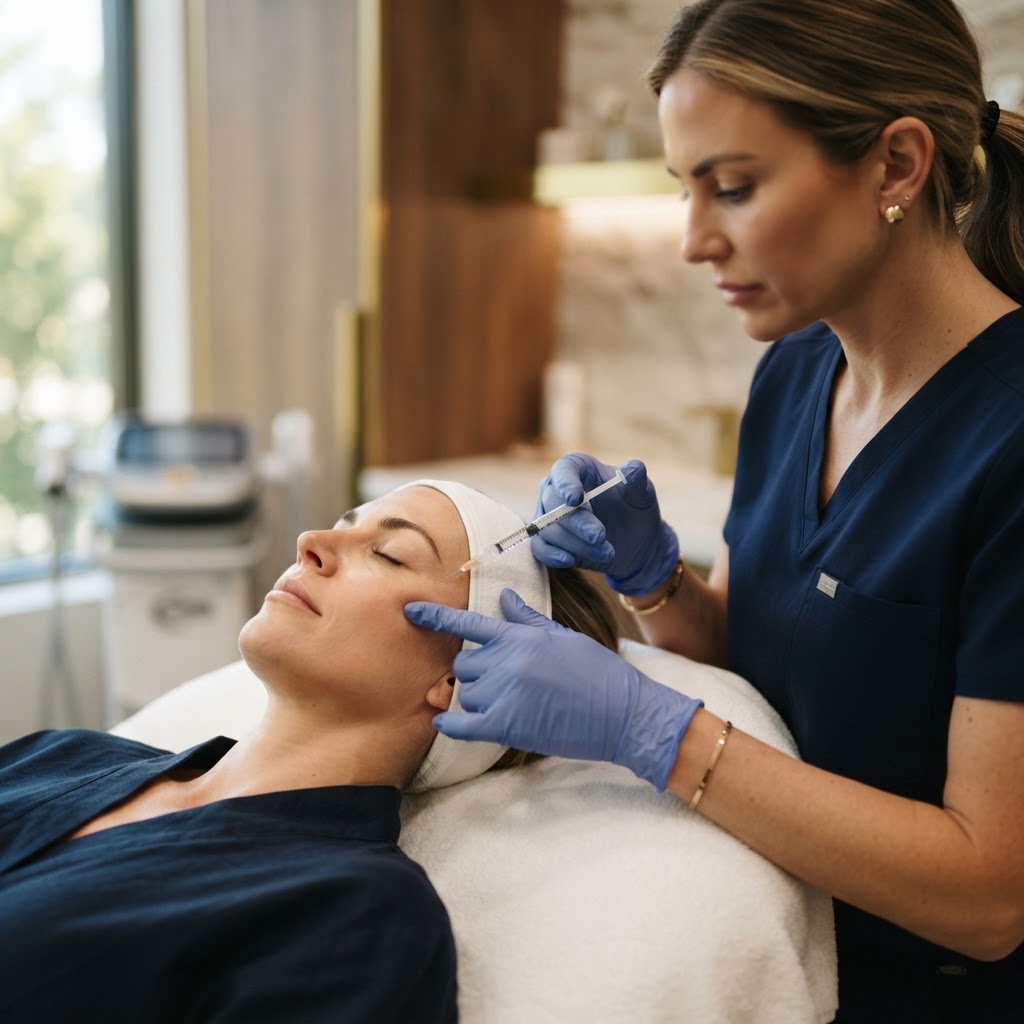
Botox (botulinum toxin) and dermal fillers function through entirely different mechanisms, and understanding this distinction is the cornerstone of clinical safety. According to the Mayo Clinic, botulinum toxin works by temporarily paralyzing facial muscles to reduce dynamic wrinkles, while dermal fillers are injected into or under the skin to restore volume, smooth out lines, or enhance facial contours.
For physicians, the clinical priority is mastering facial anatomy. The face is a complex network of nerves, blood vessels, and fat compartments. Practitioners must be highly familiar with vascular patterns to avoid complications like vascular occlusion, which can lead to skin necrosis. As highlighted by the American Society for Dermatologic Surgery (ASDS), comprehensive training must prioritize patient assessment, proper injection depth, and the management of potential adverse events.
What are the PRC and FDA requirements for aesthetic practice?
In the Philippines, the regulatory landscape is clear: only licensed physicians should perform these procedures. While the PRC licenses you as a physician, there is no specific "aesthetic license" that supersedes your medical degree. However, the Department of Health (DOH) Philippines mandates that any facility offering these services must be a registered health facility.
Furthermore, all products used in your clinic must be verified through the FDA Philippines database. Using "grey market" or unapproved toxins and fillers is illegal and poses a severe threat to patient safety.
Regulatory Checklist for Practitioners:
- [ ] Verify the product's Certificate of Product Registration (CPR) on the FDA Philippines website.
- [ ] Ensure your clinic is registered with the DOH as an ambulatory surgical clinic or medical clinic.
- [ ] Maintain complete medical records for every patient, including product lot numbers and expiration dates.
- [ ] Obtain written informed consent detailing all risks and benefits.
How do you ensure safe injection practice?
Safety begins with proper education. High-quality botox and filler training for doctors Philippines focuses on evidence-based protocols. According to the American Academy of Dermatology (AAD), maintaining sterility and having an emergency protocol—including the availability of hyaluronidase to dissolve hyaluronic acid fillers—is non-negotiable for safe practice.
Safety Protocols to Implement Today:
- Aspiration: Always aspirate before injecting fillers to ensure the needle tip is not inside a blood vessel.
- Low Pressure: Inject product slowly and with minimal pressure to reduce tissue trauma.
- Patient Screening: Thoroughly vet patients for autoimmune conditions, bleeding disorders, or pregnancy.
- Emergency Kit: Ensure your facility is equipped to handle anaphylaxis or vascular compromise.
Why choose professional, physician-led training?
Mastering these procedures requires more than watching online videos. It requires hands-on guidance under the supervision of experienced mentors. At the Academy of Advanced Aesthetics (AAA), our 4-Day Integrated Aesthetics Masterclass is designed to bridge the gap between textbook knowledge and clinical expertise. Led by our Training Director, Dr. Rachel V. Pingol-Maderazo, we emphasize the "physician-first" approach to aesthetics, where patient safety is always prioritized over commercial gain.
If you are looking to refine your skills or enter the field, we encourage you to review our upcoming training batches. Whether you are a general practitioner or a specialist, structured education is your best defense against complications and the most effective way to build a sustainable, ethical practice.
Ready to advance your career? Contact the Academy today to learn more about our curriculum and how we can support your journey in aesthetic medicine.
Referenced in this article
- 1Dermal fillers: FAQs
American Academy of Dermatology (AAD)
- 2Injectables Safety
American Society for Dermatologic Surgery (ASDS)
- 3Health Facilities Regulatory Bureau
Department of Health (DOH) Philippines
- 4Botox Injections: What you can expect
Mayo Clinic