Facial Treatment Training Philippines: A Clinical Guide
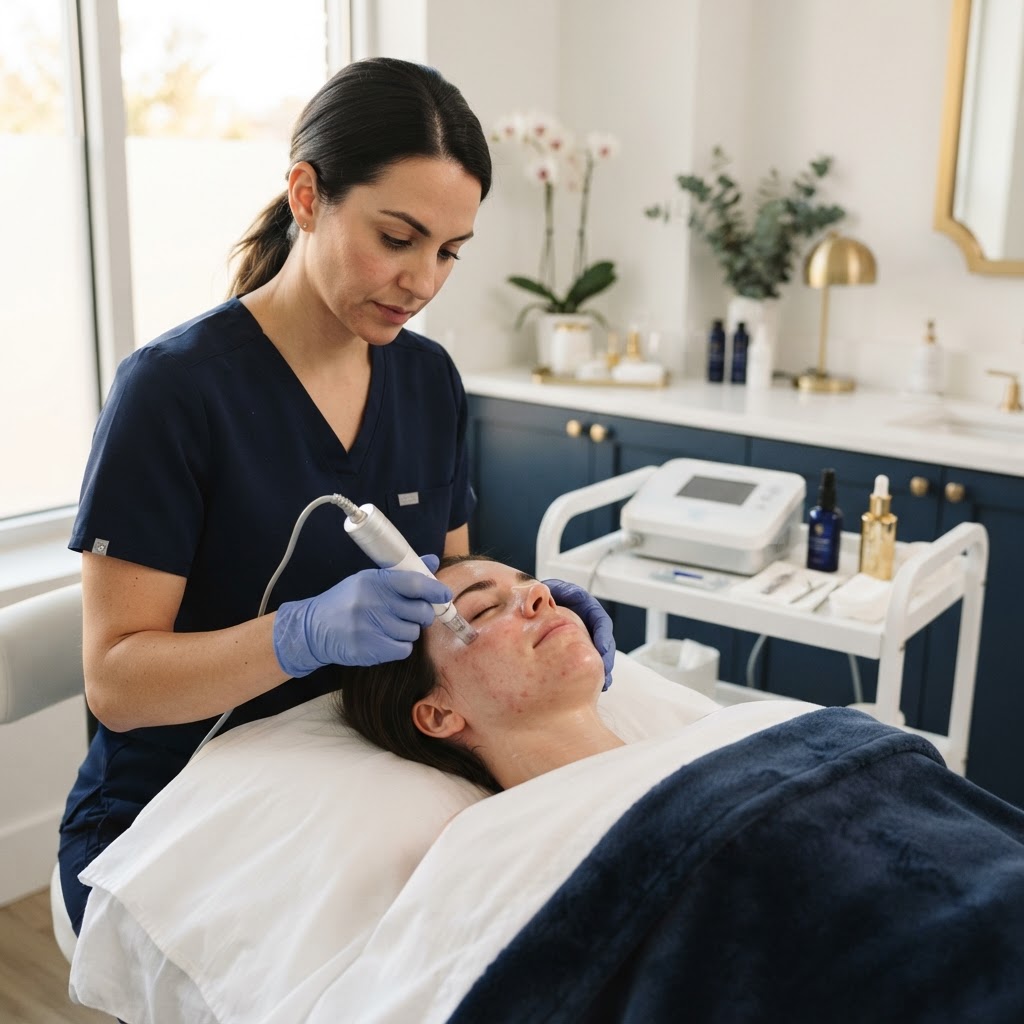
Master advanced skin rejuvenation with our expert facial treatment training Philippines guide, covering HydraFacial, chemical peels, and microneedling.
Choosing the right modality for skin rejuvenation requires a deep understanding of skin physiology and evidence-based protocols. At the Academy of Advanced Aesthetics (AAA), we emphasize that successful outcomes in medical aesthetics depend on precise patient assessment, appropriate device selection, and strict adherence to safety standards. Whether you are integrating HydraFacial, chemical peels, or microneedling into your practice, clinical mastery is the foundation of patient safety and satisfaction. In the Philippines, the aesthetic landscape is evolving rapidly, making high-quality facial treatment training Philippines essential for practitioners who wish to remain competitive and compliant. According to the Philippine Academy of Aesthetic and Age Management Medicine, aesthetic medicine is a clinical sub-specialty that requires rigorous training beyond basic cosmetic procedures to ensure natural and healthy patient outcomes. ## When to Use HydraFacial, Chemical Peels, or Microneedling? Selecting the correct treatment depends on the patient's Fitzpatrick skin type, specific concerns, and desired downtime. * HydraFacial: Ideal for patients seeking immediate hydration, pore cleansing, and a 'glow' without downtime. It is highly versatile, allowing for the infusion of AHA-based solutions for exfoliation or hyaluronic acid for soothing dry skin. * Chemical Peels: Best for addressing hyperpigmentation, acne, and fine lines. Practitioners must master the use of Alpha-Hydroxy Acids (AHA), Beta-Hydroxy Acids (BHA), and Trichloroacetic Acid (TCA) to manage depth and efficacy. * Microneedling: The gold standard for collagen induction therapy, scar revision, and skin tightening. This procedure creates controlled micro-injuries to stimulate the body’s natural healing response. ## Practitioner Checklist for Safe Practice Before performing any advanced facial procedure, ensure you have completed the following: - [ ] Verify the patient’s medical history and identify contraindications (e.g., active acne, keloid history, or immunosuppression). - [ ] Conduct a thorough skin analysis to determine the appropriate Fitzpatrick classification. - [ ] Ensure all devices and chemical solutions are registered with the FDA-PH. - [ ] Confirm that your clinic holds a valid License to Operate (LTO) from the FDA-PH. - [ ] Document informed consent, detailing potential risks and expected recovery timelines. ## Navigating Philippine Regulatory Standards In the Philippines, the regulatory environment is strict to protect public health. All cosmetic establishments must secure an LTO from the FDA-PH before engaging in the sale or provision of aesthetic services. Furthermore, practitioners should align their practice with the standards set by the Philippine Dermatological Society (PDS) and the Philippine Association of Plastic, Reconstructive and Aesthetic Surgeons (PAPRAS) where applicable. For those looking to elevate their clinical skills, our 4-Day Integrated Aesthetics Masterclass provides the hands-on experience necessary to perform these procedures with confidence. We also encourage you to check our upcoming training batches to secure your slot. If you have questions regarding our curriculum or certification, please contact the Academy to speak with our team in Quezon City. Under the guidance of our Training Director, Dr. Rachel V. Pingol-Maderazo, MD, FPPAI, FPFCS, we ensure that every graduate is equipped with the scientific background and practical expertise to excel in the medical aesthetics industry.