
HIFU and Laser Training Philippines: Clinic Safety Guide
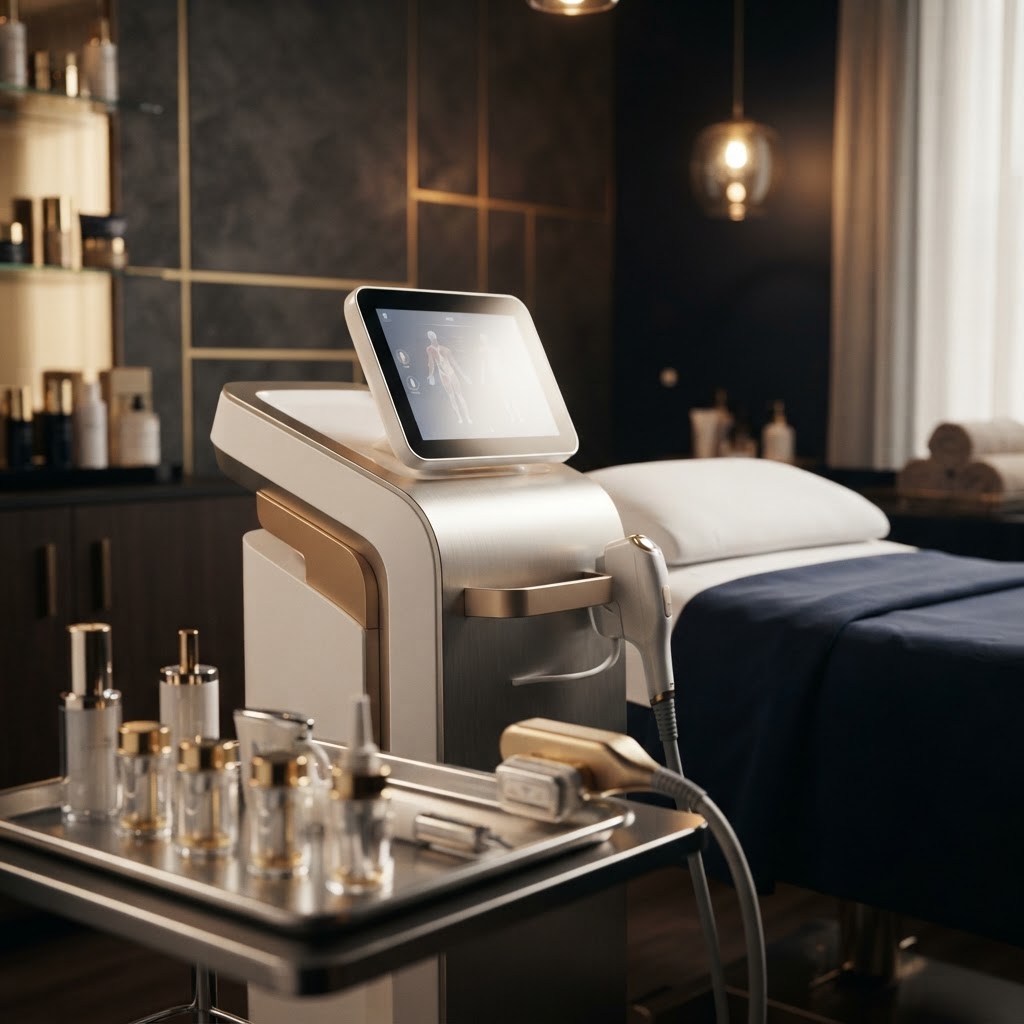
Master HIFU and laser training Philippines standards, FDA-PH device compliance, and tissue safety protocols to build a high-ROI aesthetic clinic.
To successfully integrate energy-based devices into clinical practice, practitioners must master depth-specific focal heating, tissue thermodynamics, and Philippine regulatory safety. Comprehensive HIFU and laser training Philippines equips physicians and nurses with the anatomical precision required to avoid adverse events while maximizing clinic profitability.
Navigating device-based aesthetics—encompassing High-Intensity Focused Ultrasound (HIFU), radiofrequency (RF), and laser systems—requires far more than following factory presets. Investing in capital equipment demands a solid grasp of biophysics, strict compliance with national health authorities, and formal medical hands-on training.
What Makes Energy-Based Aesthetics Complex for New Clinics?
Unlike superficial skincare treatments, energy-based devices deliver controlled micro-injuries deep within cutaneous layers. HIFU precisely targets the Superficial Musculoaponeurotic System (SMAS) layer at depths of 1.5mm, 3.0mm, and 4.5mm, triggering focal thermal coagulation zones at 60°C to 70°C. Radiofrequency utilizes electrical current to heat the reticular dermis to 40°C–45°C for neocollagenesis, while aesthetic lasers depend on selective photothermolysis to target chromophores such as melanin, hemoglobin, and exogenous pigment.
According to the US Food and Drug Administration, aesthetic and cosmetic energy devices carry inherent clinical risks, including skin burns, permanent pigmentary changes, and tissue damage, requiring operators to possess verified clinical training and understanding of contraindications.
Without comprehensive didactic and procedural training, clinicians risk significant complications:
- Facial nerve paresis: Caused by misdirected HIFU pulses over superficial motor nerve pathways, particularly the marginal mandibular and temporal branches.
- Full-thickness burns and scarring: Triggered by poor handpiece coupling, uneven ultrasound gel application, or incorrect laser fluence.
- Post-inflammatory hyperpigmentation (PIH): A heightened risk in Fitzpatrick skin types III to V, prevalent across the Philippines, when laser wavelengths or pulse durations are improperly configured.
- Fat atrophy: Unintended volume loss resulting from treating superficial planes with high-energy focal depths intended strictly for body contouring or the deep SMAS.
Philippine Regulatory Reality: PRC Licensing and FDA-PH Standards
Operating energy-based devices in the Philippines is strictly governed by medical and commercial oversight. The Professional Regulation Commission enforces scope-of-practice regulations, ensuring that prescription medical procedures and device manipulations remain under the direct supervision or execution of licensed medical doctors.
Furthermore, clinic owners must adhere to the Food and Drug Administration Philippines through its Center for Device Regulation, Radiation Health and Research (CDRRHR). Under existing health circulars, energy-based aesthetic machines are classified as regulated medical devices requiring an authentic Certificate of Medical Device Registration (CMDR) or Certificate of Medical Device Notification (CMDN). Importing, marketing, or operating uncertified machines poses severe legal risks and voids professional indemnity coverage.
Clinical and Regulatory Verification Checklist
Before acquiring any HIFU, RF, or laser platform, ensure you verify the following:
- FDA-PH Certification: Confirm the vendor possesses an active Certificate of Medical Device Notification (CMDN) or Registration (CMDR) from the FDA-PH.
- PRC Credentialing: Ensure only licensed medical doctors perform or prescribe high-energy laser and deep SMAS ultrasound procedures.
- Calibrated Output Checks: Demand annual acoustic output or laser energy calibration certificates from the distributor.
- Skin Phototype Pre-Screening: Establish dedicated assessment protocols for melanin-dense skin to prevent hyperpigmentation.
- Post-Treatment Clinical Audit: Document treatment logs including shot counts, pulse durations, fluences, and patient follow-up intervals.
Buying Guidance: Selecting the Right Capital Equipment
New clinic owners are often tempted by grey-market or counterfeit machines advertised online for under ₱250,000. However, uncalibrated devices frequently produce variable energy spikes, defective transducers, and inaccurate focal spots that directly endanger patients.
Authentic, medical-grade HIFU systems typically range from ₱800,000 to well over ₱2,500,000 depending on Korean or European origin. Q-switched Nd:YAG and picosecond lasers often require capital outlays ranging from ₱1,500,000 to ₱4,500,000+. When purchasing devices, clinics should prioritize:
- Total Cost of Consumables: Calculate the per-line or per-shot cost of HIFU cartridges. If cartridge replacements cost ₱30,000 to ₱50,000 for 10,000 shots, calculate your target price per session (typically ₱12,000 to ₱35,000 per full-face procedure) to maintain healthy margins.
- Vendor After-Sales Support: Ensure the local distributor provides certified bio-engineers based in Metro Manila or regional hubs to guarantee rapid repairs and preventive maintenance.
- Clinical Versatility: For a start-up clinic, multi-application platforms (e.g., dual-depth HIFU or combined 1064nm/532nm Q-switched lasers) yield faster operational break-even than single-indication hardware.
Elevate Your Device Safety and Technique at AAA
Mastering non-surgical skin tightening and energy-based aesthetics requires rigorous, hands-on clinical mentoring. At the Academy of Advanced Aesthetics (AAA) in Quezon City, our programs are led by our Training Director, Dr. Rachel V. Pingol-Maderazo, MD, FPPAI, FPFCS. Our faculty provides medical professionals with intensive live-model practice, mapping safety zones, managing complications, and setting optimal treatment parameters.
Whether you are preparing to open a new aesthetic practice or upgrading your clinic's service menu, enroll in our 4-Day Integrated Aesthetics Masterclass to bridge fundamental science with advanced device operation. Review our upcoming training batches or contact the Academy at 118 Matahimik St., Quezon City, to schedule your physician-led training today.
Referenced in this article
- 1Aesthetic (Cosmetic) Devices
U.S. Food and Drug Administration
- 2FDA Circular No.2021-0021 || Guidelines on the Licensing of Retailers of Medical Devices in the Philippines
Food and Drug Administration Philippines